Cut-to-size metal.
Built around your project.
SteelRaw brings aluminum, carbon steel, stainless steel, brass and copper into one cut-to-size metal quote request. Choose a profile, enter dimensions in inches or millimeters, and keep every piece together for review.
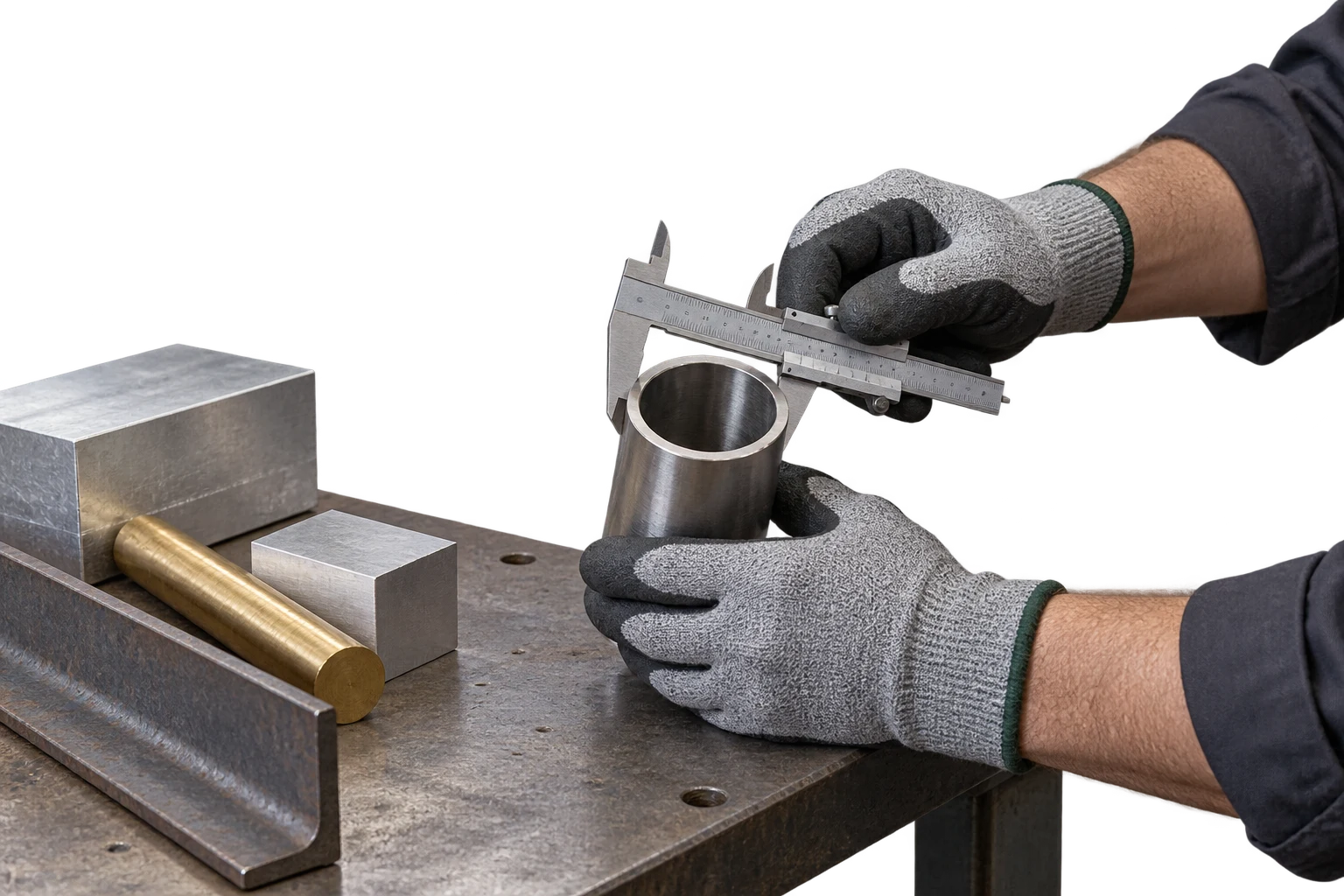
Shop by material.
Five starting points. Choose the profile and grade within each material.
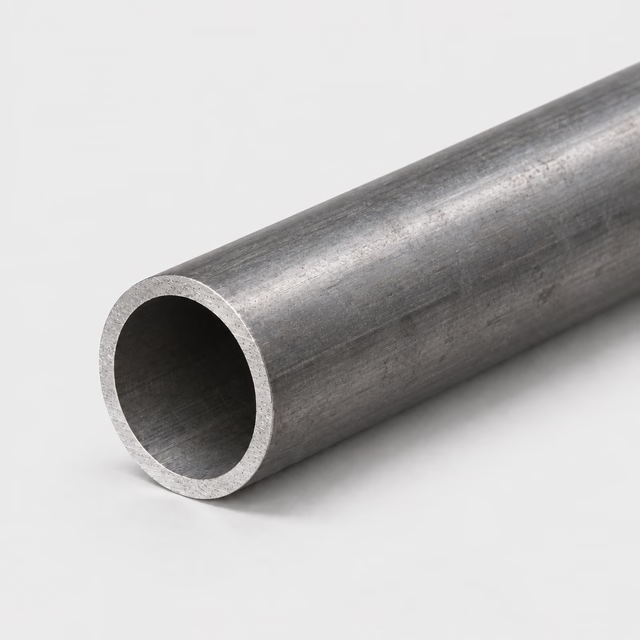
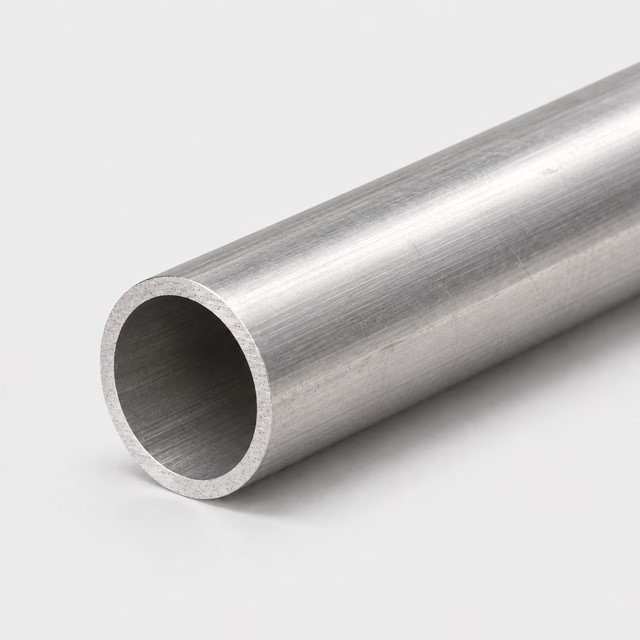
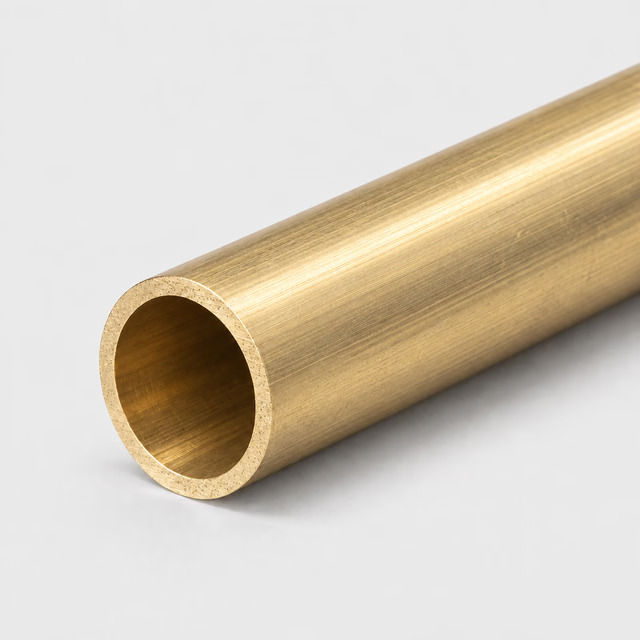
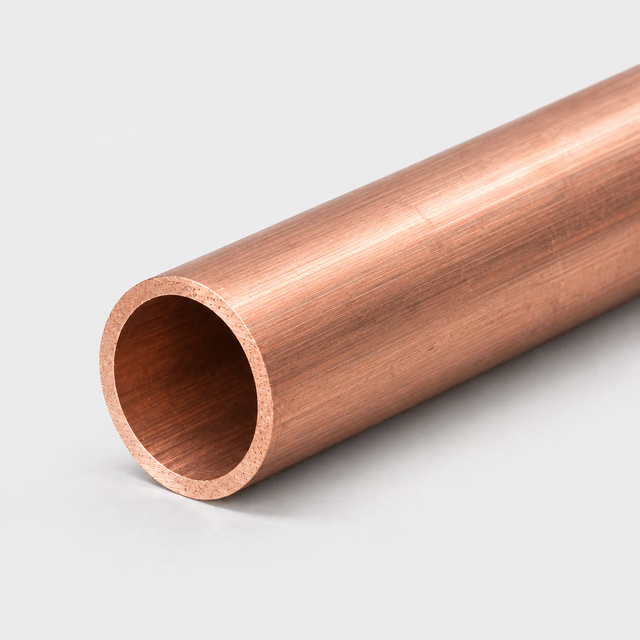
Shop by shape.
Know what the part looks like? Find the materials listed for that profile.
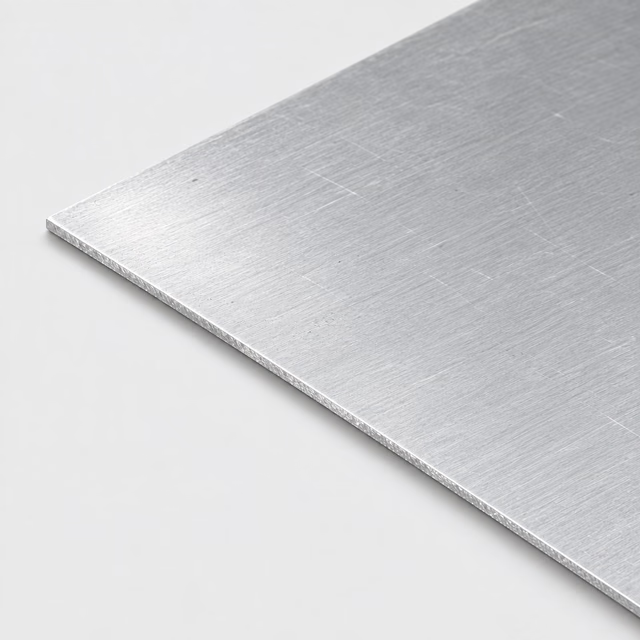
Sheet
5 materials
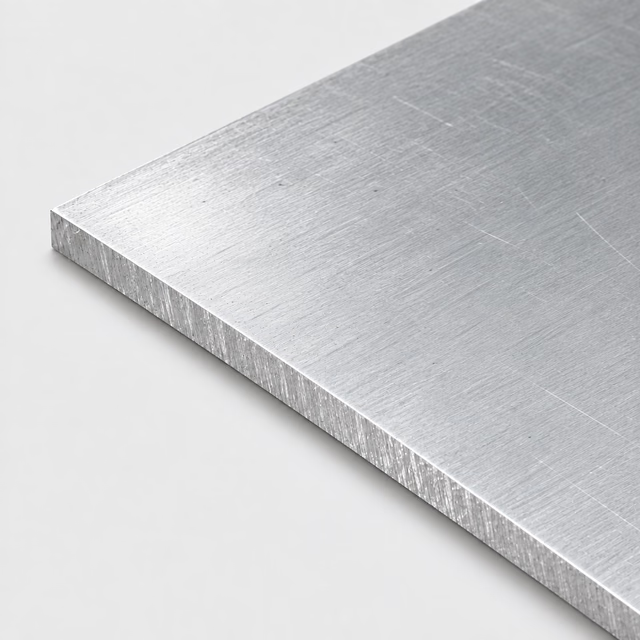
Plate
3 materials
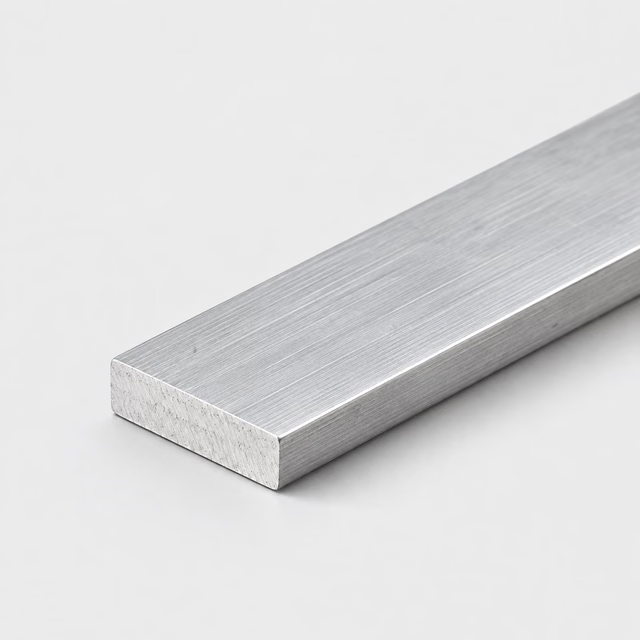
Flat bar
5 materials
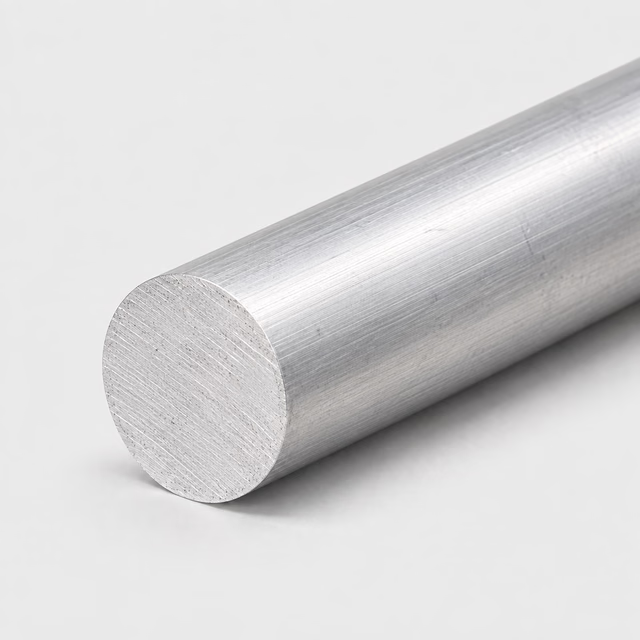
Round bar
5 materials
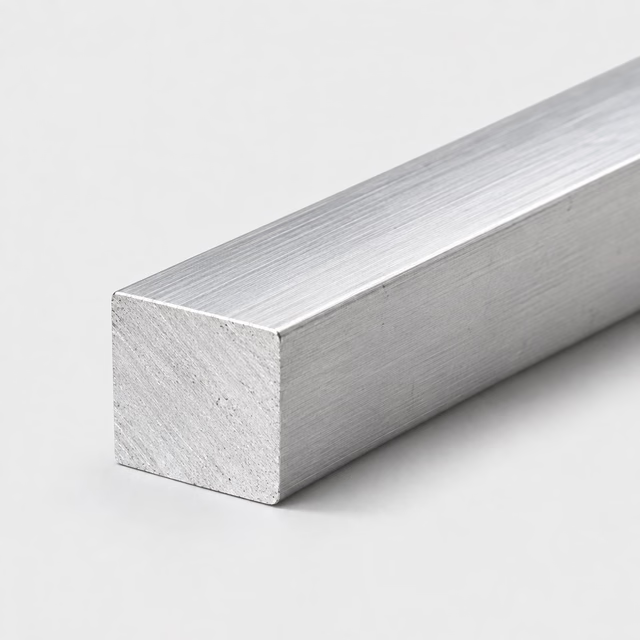
Square bar
4 materials
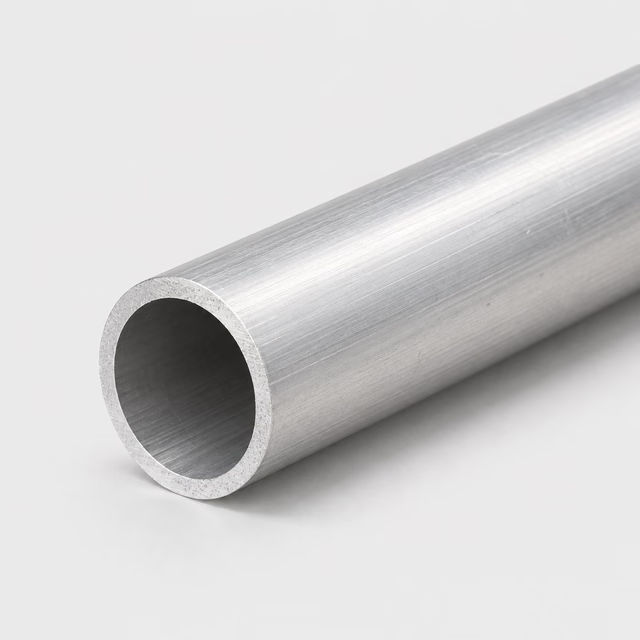
Round tube
5 materials
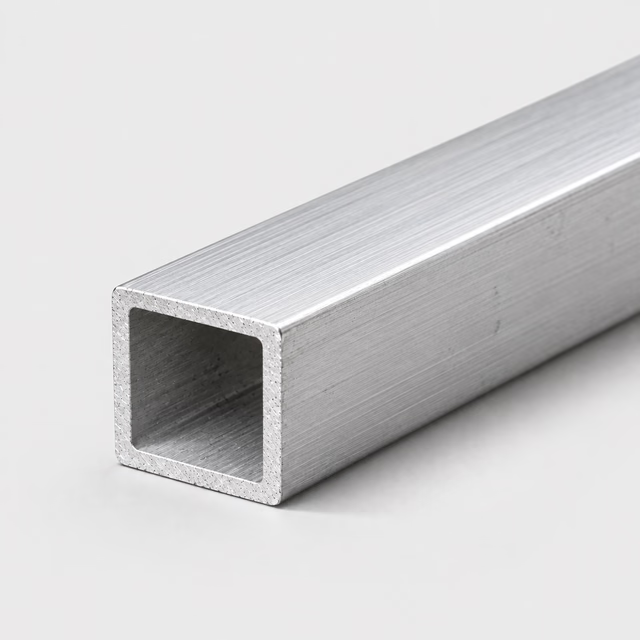
Square tube
3 materials
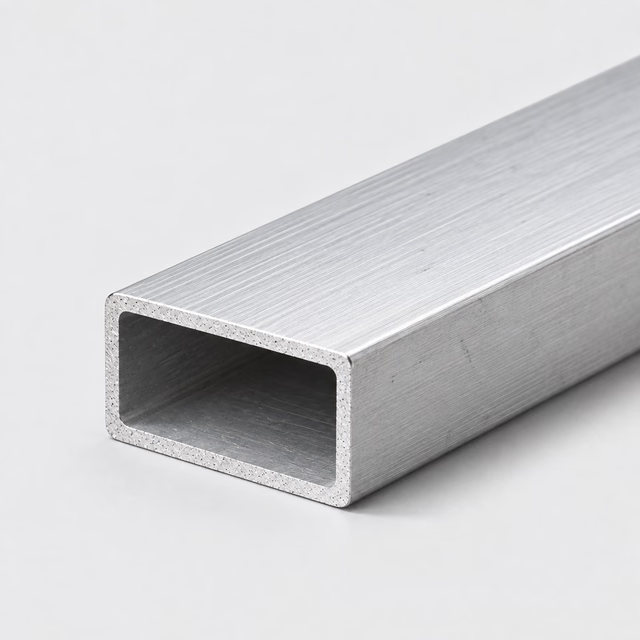
Rectangular tube
3 materials
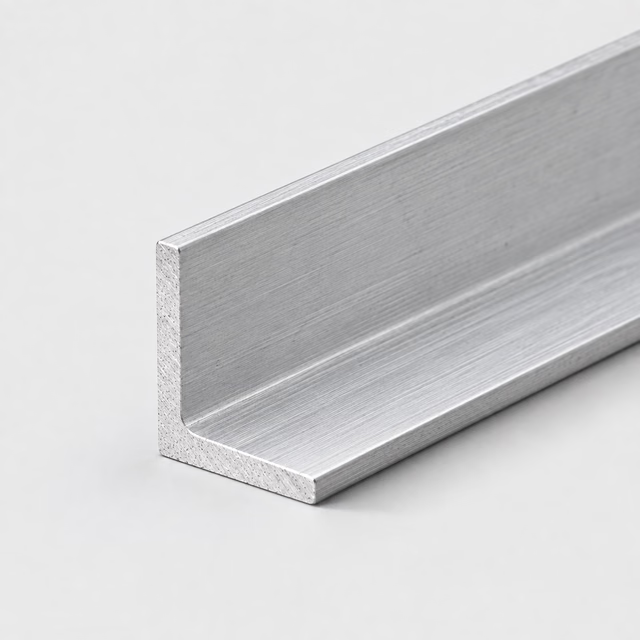
Angle
3 materials
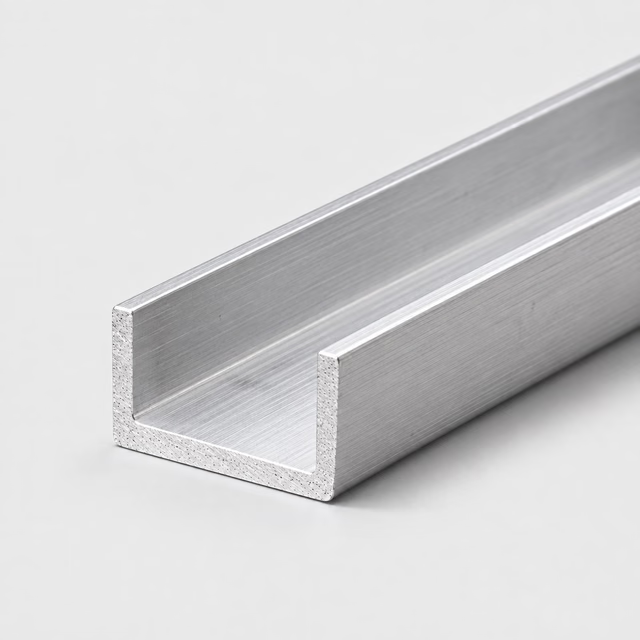
Channel
3 materials
These are the material and profile families you can request. Listed combinations are subject to supplier, grade, section and cutting confirmation.
Which metal should you choose?
Start with the part's environment, the work planned after cutting and the surfaces that matter. A material name is only the beginning: the alloy, stock condition and profile help define the right starting point for your project.
| Material | A useful starting point | What to decide |
|---|---|---|
| Aluminum | Lightweight panels, machined blanks and visible profiles where the next fabrication step helps guide the alloy choice. | Separate forming needs from machining needs, then consider temper, mating surfaces and any planned finish. |
| Carbon steel | Machine parts, fabricated assemblies and frame members with a defined section and material requirement. | Carry the required grade into the request; stock condition, machining allowance and corrosion protection are separate decisions. |
| Stainless steel | Panels, components and profiles where the service environment and finished surface deserve particular attention. | Compare the specified grade, exposure and cleaning conditions, then identify visible faces and the required finish. |
| Brass | Visible hardware, formed sheet details and machined components where appearance and the fabrication route both matter. | Choose the alloy for the process, flag any lead restrictions and describe the desired surface independently of its color. |
| Copper | Decorative sheet work and components whose design calls for copper, including specified electrical parts. | Follow the required alloy and connection details; a stock size or weight estimate does not establish an electrical rating. |
Use this as a starting comparison. The material guides explain the listed grades, finishes and geometry; the right specification also depends on the part's operating conditions and fabrication.
Explore metal sheets, plates, bars and tubes.
Open a product guide for dimensions, grade considerations and a worked example, then configure your cut.
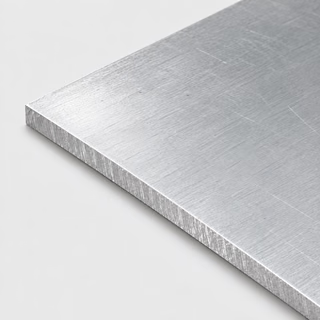
6061 Aluminum Plate
Specifications & cut sizes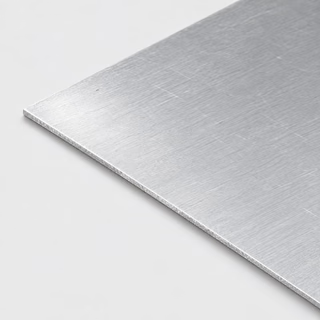
5052 Aluminum Sheet
Specifications & cut sizes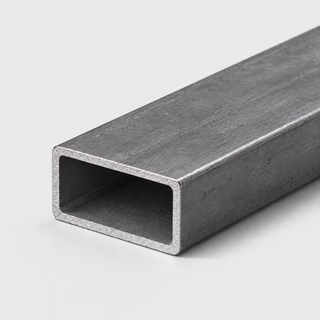
Carbon Steel Rectangular Tube
Specifications & cut sizes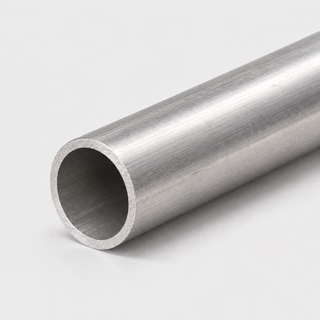
304 & 316 Stainless Steel Round Tube
Specifications & cut sizes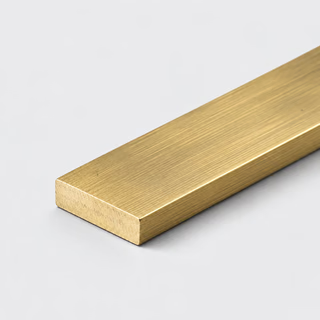
C360 Brass Flat Bar
Specifications & cut sizes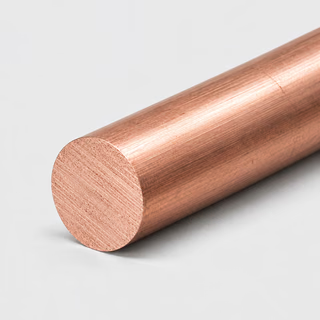
C110 Copper Round Bar
Specifications & cut sizesHow do you request cut-to-size metal?
Build one list around the work you need done. Separate the starting material from finished-part features so the review can address the complete scope.
Choose the starting stock
Pick a material and profile, then add dimensions and quantity for each distinct piece. Distinguish solid bar from hollow tube and raw blank dimensions from finished dimensions. If a drawing already defines the part, use it as the reference.
Add the details that change the job
Include the required grade, condition, finish and critical tolerances. Attach drawings for holes, bends, joints or other features beyond a simple blank. Add the delivery ZIP code, receiving location and requested date so the material and logistics can be considered together.
Review the complete proposal
Compare the proposed material, cutting scope, dimensions, price and delivery with your requirements. Resolve substitutions and open questions before agreeing to an order. Submitting the request starts that review; it does not authorize payment or establish a confirmed production or delivery schedule.
One request for a mixed-material project.
This illustrative cut list separates an aluminum blank, stainless panels and steel flat bars into three clear lines. Each size has its own quantity; the reviewed quote resolves the material and cutting requirements together.
Build your cut list ↗| Material | Dimensions | Qty |
|---|---|---|
| 6061 aluminum plate | ¼ × 8 × 12 in | 20 |
| 304 stainless sheet | ⅛ × 6 × 10 in | 10 |
| 1018 carbon steel flat bar | ¼ × 2 × 24 in | 8 |
3 cut lines · 38 pieces · Grade, condition and delivery to be confirmed.
Tools for a clearer cut list.
Metal weight calculator
Estimate theoretical material weight.
02 / RESOURCEFractions to decimals
Convert inch fractions and metric dimensions.
03 / RESOURCEThickness reference
Compare fractional inches, decimals and millimeters.
04 / RESOURCEPrepare your cut list
Bring material, dimensions and requirements together.
Questions about ordering cut-to-size metal.
Start with the essentials here. Each material and product guide goes deeper into grades, dimensions and practical selection.
Project support ↗